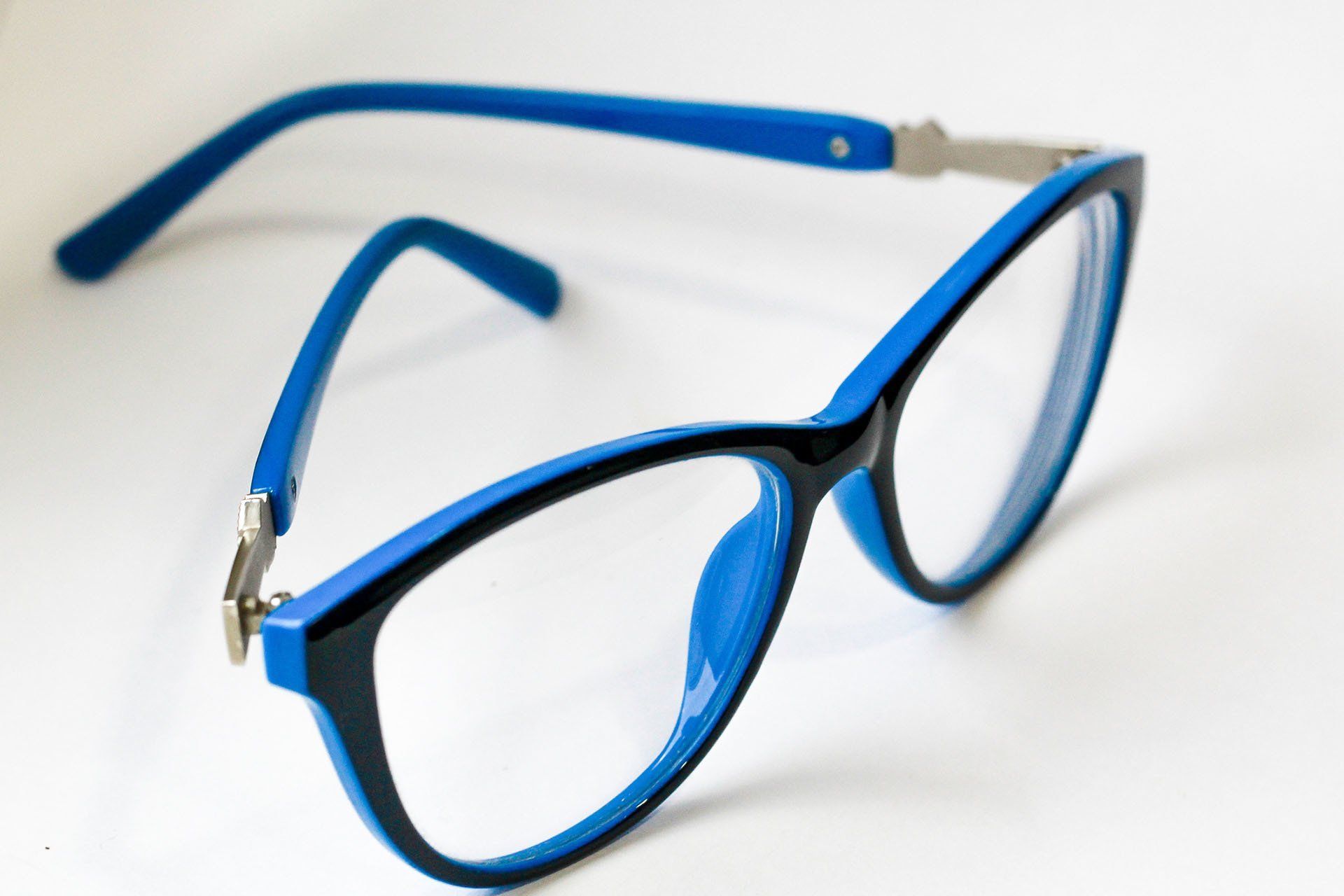


Glasses or Contacts? 5 Factors to Help You Decide
May 6, 2019
Do you need corrective lenses to see properly? Modern consumers have a wide
variety of choices about their corrective vision wear - more than at any time
in history. And the first question you'll need to answer is whether to opt for
glasses or contacts.
Which should you choose? And why? Here are five categories of pros and cons
to consider.
1. Cost
Traditionally, contacts have cost more than regular glasses. That's largely
because they must be replaced on a more regular basis - especially with weekly
or daily wear options. However, the real cost of glasses depends on your
prescription as well as choices about what add-ons or frames you want to buy.
It also depends on how often you end up replacing the glasses.
Those with a simple prescription who choose budget-friendly glasses may find
that contacts come out as the more expensive option in the end. The only way to
know for sure is to do the math for your particular situation.
2. Health
Contacts are more sensitive and require more maintenance to keep them
healthy for your eyes. When you wear them, you'll also be touching your eyes
more than a glasses-wearer has to. This touching does boost your risk of eye
infections, especially if you are prone to them. In this case, glasses may be a
better option.
Glasses, though, do hold certain health risks. If you like sports or heavy
outdoor activities, you could lose your glasses and end up in a tight spot for
instance. And they may not fix your vision problems due to distorted vision
around the edges of the glasses.
3. Durability
Contact lenses are not usually made to be used for the long term - and may
cause eye problems if used for too long. Glasses, on the other hand, may hold
up for several years if cared for properly. Despite the larger initial cost for
glasses, many people find that their long-term durability offsets the cost and
means they don't have to visit the optometrist as often.
That said, you will have to take measures to protect your glasses. Every
time you remove them, put them in a place where they won't be stepped on or
otherwise damaged.
4. Convenience
As mentioned, contacts require more care and maintenance. You'll have to put
them in and take them out, clean them, and store them properly. Some users also
have a hard time adjusting to new contacts or to a different type of contact.
If you already have a busy and full life, the added effort may not appeal to
you.
Of course, glasses aren't completely free of inconveniences either. If you
have to wear safety goggles for any reason - such as when playing sports,
working with equipment, or swimming - you may need separate prescription
goggles or glasses for these activities. Glasses can also be challenging in the
rain, when you're very active, or when you're playing around water.
5. Looks
How do glasses make you feel? This is probably the most important factor for
many people. Getting glasses can make a person feel less attractive, whereas
contacts are an invisible corrective tool that won't change your appearance.
You could even use colored contacts to change your eye color.
On the other hand, glasses have become fashionable to the point where even
those who don't need them sometimes wear them as a fashion accessory. If you're
in an emotional place where you could use the feeling of being a new person,
glasses might be the way to achieve that goal.
No matter what your preference - glasses,
contacts, or both - at Fraser Optical
,
we can provide you with what you need to see and feel great. Call today to make
an appointment to learn more from our vision professionals.
Recent Posts
January 29, 2020
Learn how to prevent and manage pink eye with Fraser Optical’s expert tips. Keep your eyes healthy with these practical, easy-to-follow guidelines.