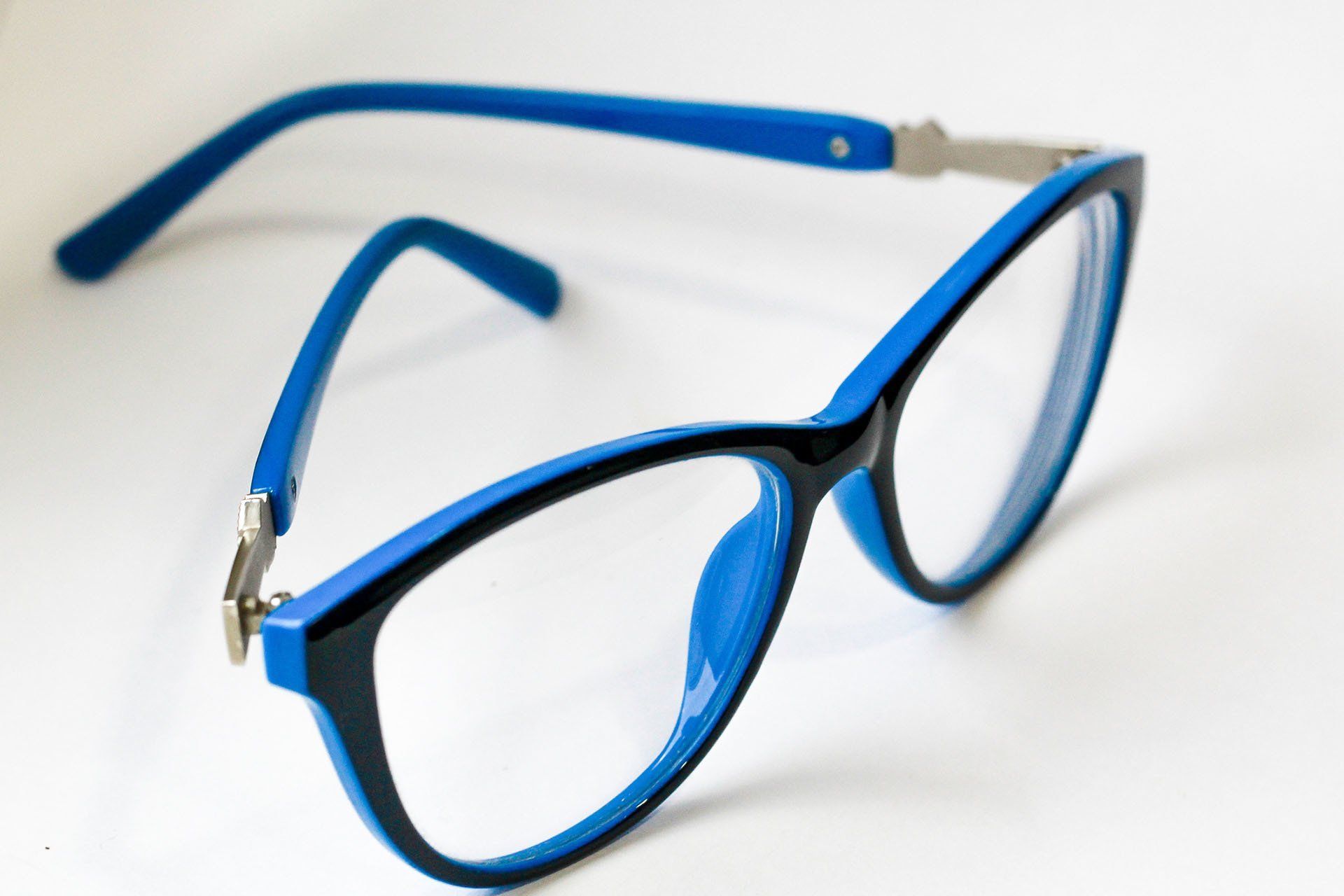
Both photochromic lenses (also known astransitions, after a popular brand of these lenses) and regular sunglasses cando an excellent job of cutting glare, preventing eye strain, and protectingyour eyes against UV radiation. Photochromic lenses contain silver halides ororganic photochromic ingredients that darken in bright light and lose theirtint in low light conditions. If you already wear glasses indoors, youmay wonder whether you should purchase a separate pair of prescriptionsunglasses or simply wear photochromic lenses all the time. The answer to thisquestion may depend on your particular environment, activities, andcircumstances. Here are some specific scenarios that might cause you to chooseone type of product over the other.
Traveling Light? Photochromic LensesMake Sense If you commonly wear
eyeglasses
to correctfor nearsightedness, farsightedness, or some other refractive error, you mayfind yourself constantly switching between your indoor glasses and prescriptionsunglasses. You might even need to carry a separate case for each pair if thetwo frames feature significantly different shapes or sizes. One major selling point for photochromiclenses lies in the fact that one pair of glasses can serve your optical needs,both indoors and out. If you prefer to travel unencumbered, or you worry aboutkeeping track of two sets of glasses, photochromic lenses can provide theefficiency and convenience you seek. They can also spare you the expense ofbuying a second pair of corrective lenses.
Headed Into High Heat? Sunglasses MayPerform Better While photochromic lenses can darkensignificantly to bring you welcome glare relief in bright light, they still getonly half as dark as the darkest sunglasses on the market, which can offer upto
97percent opacity. They tend to darken less dramatically in hightemperatures than in cold temperatures, unlike sunglasses, which maintain thesame opacity level regardless of temperature. If you mainly need eye protection forsummertime activities, you may find that you get a darker, more satisfying tintand less glare from standard sunglasses. However, if you prefer winter sports,you should get excellent results from photochromic lenses in chilly climates.Just keep in mind that photochromic lenses may need extra time to brightenafter they come in from the cold.
Going for a Drive? Go for Sunglasses When you try to drive with photochromiclenses, you'll notice that the lenses don't achieve their maximum darknesslevels. The light-sensitive substances in the lenses actually react to UVlight, not visible light. Automotive glass may let plenty of visible light intoyour vehicle, but it also blocks a certain amount of UV radiation. As a result,your photochromic lenses may only darken by about 30 percent. By contrast, the tint on your sunglassesshould appear the same as always from inside your car. You may therefore findthis option the more satisfactory one on bright days or long road trips,although you will have to switch to your everyday glasses as outdoor lightlevels change. Whichever kind of product you choose, adding polarization willhelp to reduce glare reflected upward from road surfaces.
Want the Right Solution for EveryScenario? Get Both Since photochromic lenses and regularsunglasses each excel in different ways under different conditions, consider purchasingboth. Your photochromic eyeglasses will help you enjoy clear, comfortablevision as you move from indoor to outdoor lighting and back again. Yourprescription sunglasses can step for specialized situations such as hot summerdays or drives. No matter what kind of glare-blockingglasses you want, Fraser Optical can equip you with them.
Contactus for a consultation so that we can discuss your eyewear needs andgoals.