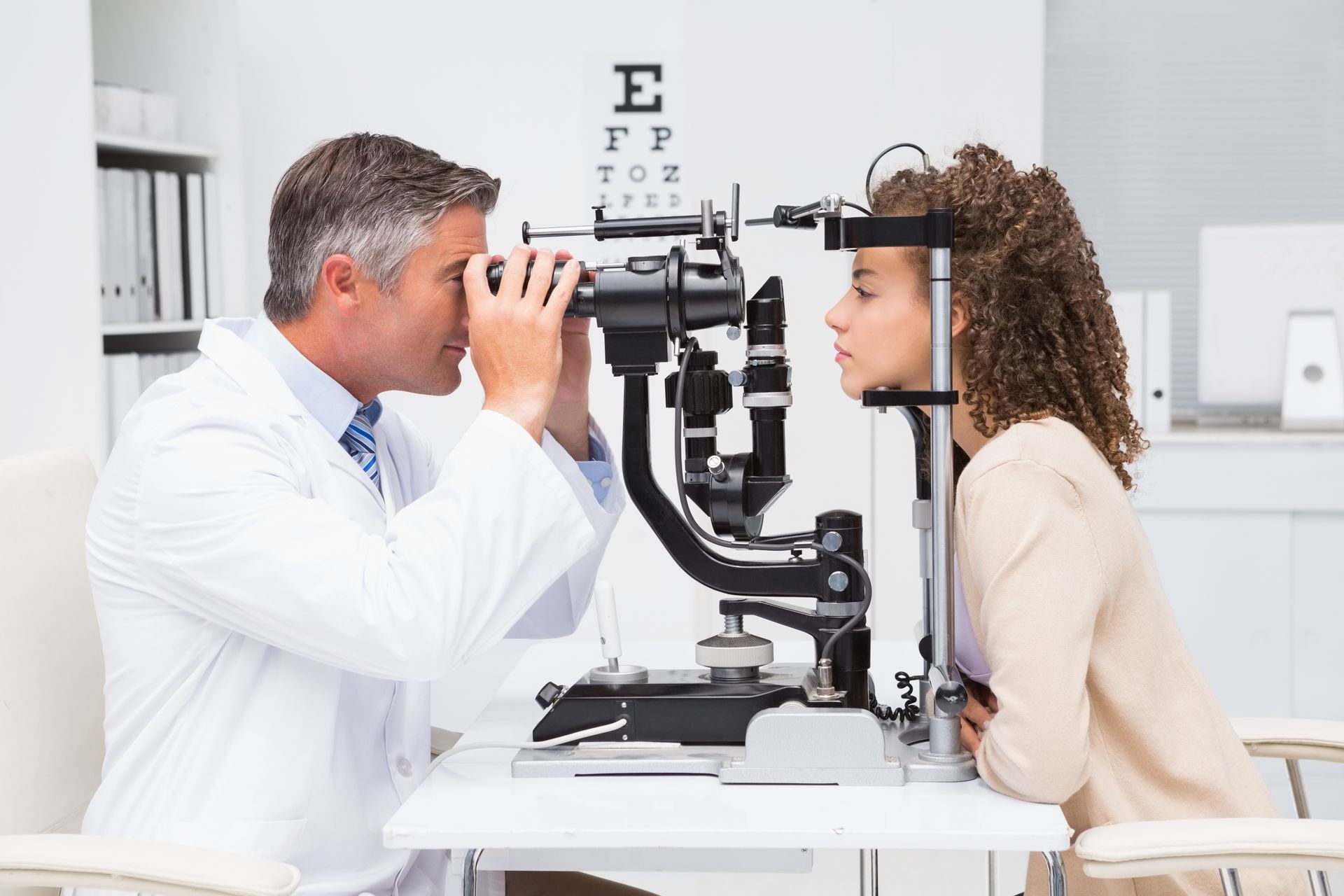
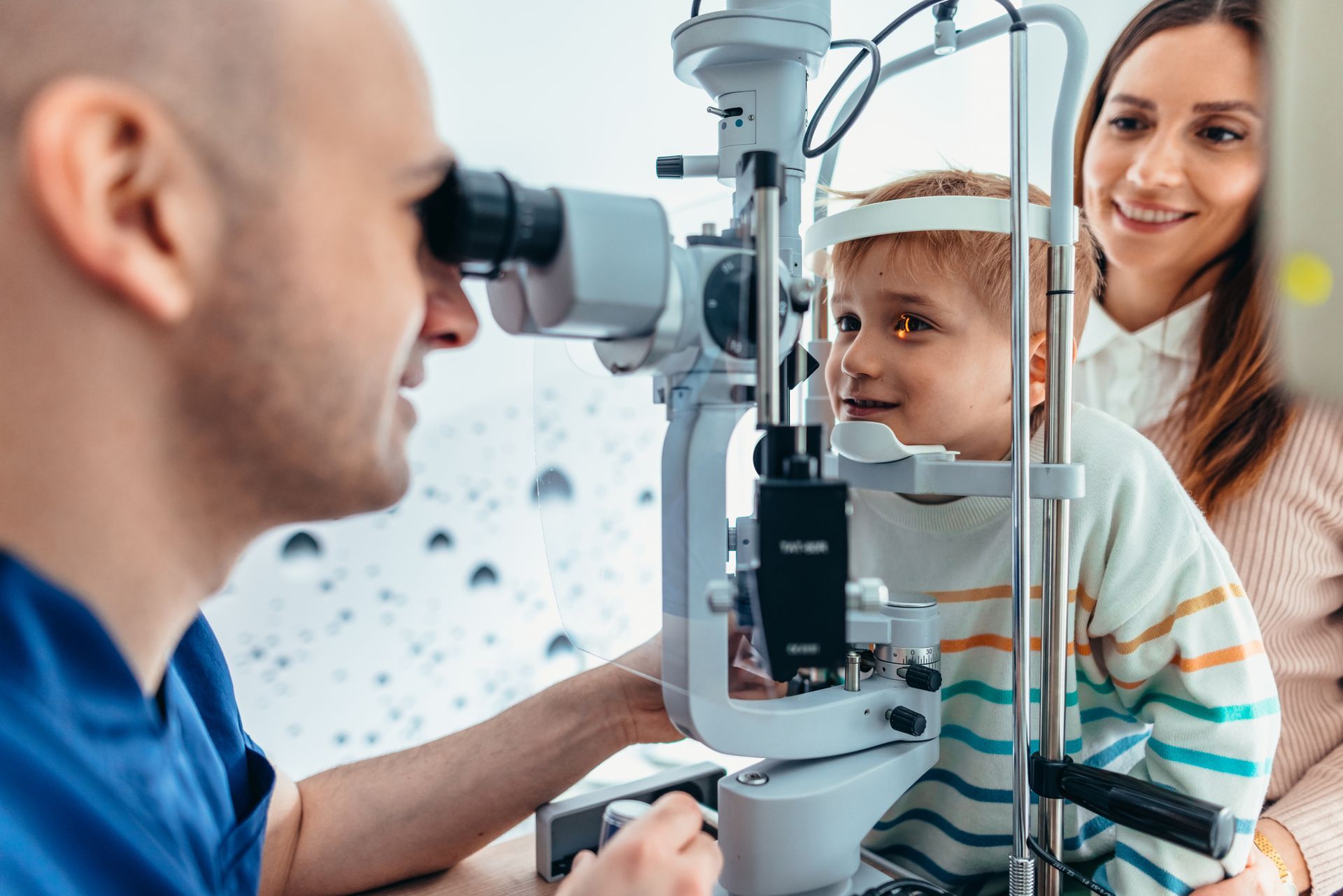
When parents think about their child's health checkups, vision often gets overlooked. But the eyes play a huge role in how kids learn, grow, and experience the world. At a family eye doctor in Shelby Township, MI, like Fraser Optical, a pediatric eye exam is a lot more involved than simply reading letters off a chart. These exams are built specifically around the unique way children's eyes develop, and they go well beyond what most school vision screenings can detect.
Why a Child's Eye Exam Is Not the Same as an Adult's
Most adults go to the eye doctor to update a prescription or check for age-related changes. A child's visit looks very different. Growing eyes need to be evaluated for proper development, not just clarity of sight. Kids are also less likely to notice or report a vision problem, because they often assume everyone sees the same way they do.
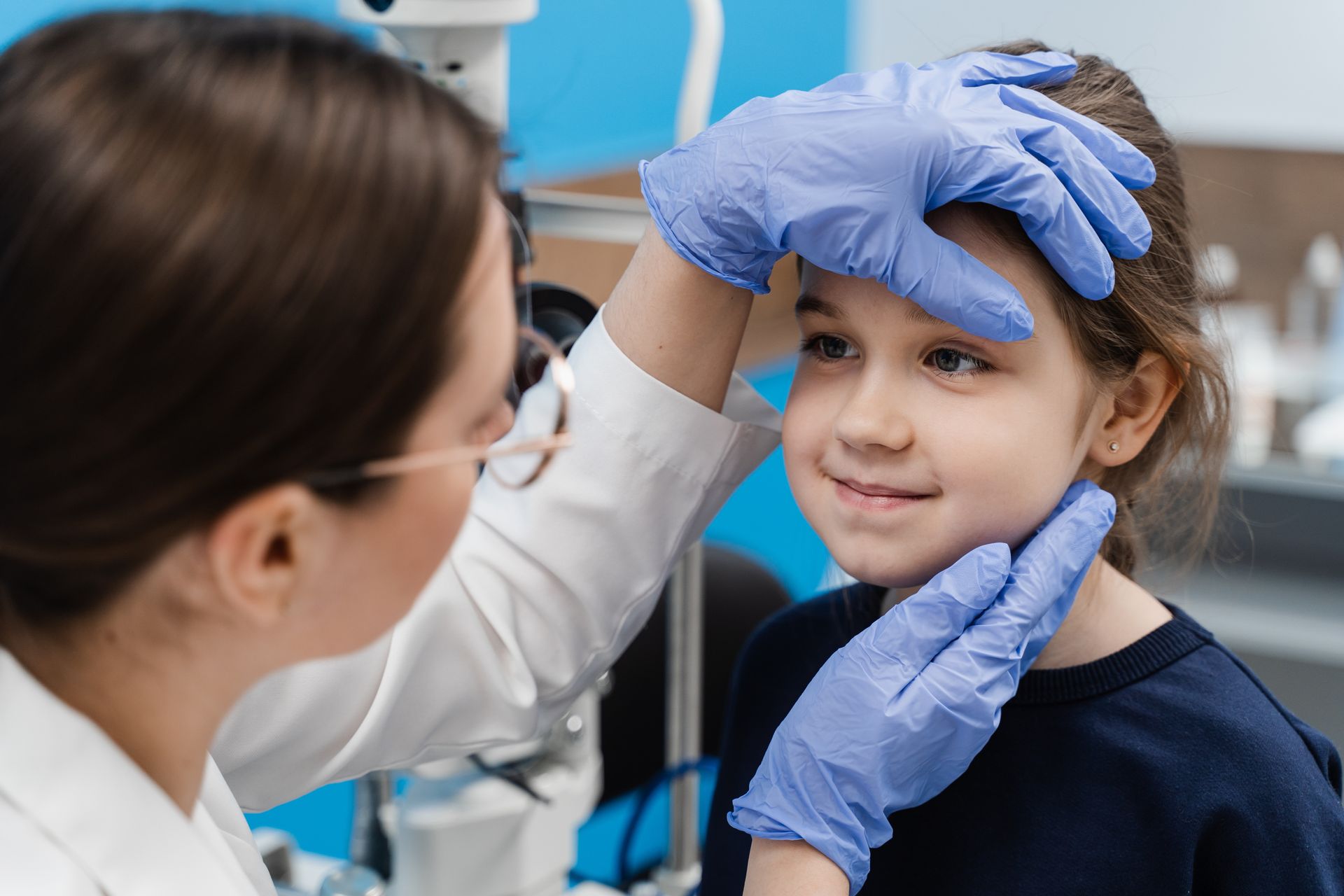
This is what makes the role of a trained optometrist so important. Children cannot always cooperate with the same tests used for adults, so optometrists use techniques and tools designed specifically for younger patients. These may include picture-based charts, light reflex tests, and other objective methods that do not require a child to read or respond with precise answers.
The Specialized Tests That Set Pediatric Exams Apart
Eye Coordination and Binocular Vision Testing
One of the most important parts of a child's exam is checking how the two eyes work together as a team. This is called binocular vision, or eye teaming. When the eyes do not coordinate properly, a child can experience double vision, eye strain, or problems with depth perception. These issues are easy to miss at home and are rarely caught by a basic school screening.
The family eye doctor checks how the eyes align, how they track a moving object, and whether one eye is doing most of the work. A condition called strabismus (crossed eyes) is a common example of a coordination issue. Another is amblyopia, often called "lazy eye," where one eye develops weaker vision because the brain begins to favor the other. Both conditions respond well to treatment when caught early.
Visual Tracking and Convergence
Reading requires the eyes to move smoothly across a line of text and then shift back to the beginning of the next line. This movement is called tracking. If a child's eyes skip or lose their place, reading can feel exhausting and frustrating, even if their vision is technically 20/20.
Convergence is a related skill. It refers to the eyes' ability to turn inward together to focus on something close, like a book or tablet screen. A child with convergence insufficiency may complain of headaches after reading or avoid close-up tasks altogether. This condition is often misdiagnosed as an attention problem because the symptoms look so similar.
Visual Development Milestones
A skilled optometrist at your family eye doctor tracks whether a child's visual system is developing on schedule. Just like developmental milestones for walking or talking, the eyes should reach certain benchmarks at certain ages. Infants as young as six months can and should have their first eye exam, long before they can speak or read. Early exams check whether the eyes are properly aligned, whether each eye is focusing equally, and whether the structures of the eye look healthy.
As children move into the preschool and school-age years, the focus shifts toward visual skills that support learning. The optometrist looks at how well a child can focus at different distances, how quickly the eyes can shift focus from near to far, and how the brain processes what the eyes see.
How Vision Problems Affect Learning
The connection between vision and learning is significant. It is widely cited among vision care experts that a large portion of classroom learning is dependent on visual input. When a child struggles to see clearly or process what they see, reading, writing, and paying attention all become harder. These struggles can lead to lower grades, frustration, and even a misdiagnosis of learning disabilities or attention issues.
What makes it tricky is that children rarely complain about their vision. They simply adapt, often in ways that are not obvious to parents or teachers. Avoiding reading, holding books very close, losing focus during homework, or complaining of frequent headaches can all be signs of an undetected vision problem rather than a behavioral or academic one.
This is one of the strongest reasons to schedule regular visits to your family eye doctor, even when your child does not seem to be struggling. An optometrist can identify visual barriers to learning that no one else may have spotted.
The Importance of a Comfortable, Child-Friendly Environment
Children respond differently to clinical settings than adults do. A good pediatric exam requires patience, gentle communication, and an approach tailored to the child's age and comfort level. Fraser Optical's team understands this well. The practice has been serving families across the Metro Detroit area, and their optometrists are experienced in making kids feel at ease during every step of the exam.
When children feel calm and engaged, family eye doctors get more accurate results. This means better care and more reliable findings for parents. A familiar, welcoming environment also helps build healthy habits early, so kids are less likely to avoid eye care as they grow.
When Should Your Child Have an Eye Exam?
Here is a general timeline based on recommendations from the American Optometric Association:
- 6 to 12 months: First eye exam to check for alignment, early signs of lazy eye, and healthy eye development.
- Around age 3: An exam to assess focusing, eye coordination, and early signs of refractive errors.
- Before kindergarten (ages 5 to 6): A critical check to ensure the visual skills needed for reading and writing are in place.
- Annually through school age: Ongoing monitoring, as vision can change quickly during the school years.
Children with risk factors such as a family history of eye conditions, premature birth, or developmental delays may need exams more frequently.